


In Globe, a mini split usually gets your attention on the hottest afternoon of the year. The air coming off the wall head feels a little weaker, the room takes longer to pull down, and your electric bill is already on your mind before the next one even shows up. Around here, that's not a small comfort issue. It's a system working in dust, heat, and monsoon mess for long stretches of the year.
That's why ductless mini split maintenance matters more in Arizona than it does in a mild climate. A mini split can be efficient and quiet, but only if air can move through it and heat can leave the outdoor unit. In the Cobre Valley area, filters load up faster, outdoor coils collect more dirt, and drain issues show up at the worst possible time. The homeowners who stay ahead of those basics usually spend less time dealing with nuisance problems and surprise repairs.
Why Mini Split Maintenance Matters More in Arizona
A mini split in Globe doesn't live an easy life. It sits through long cooling seasons, fine desert dust, wind-blown debris, and monsoon weather that can turn a small drainage issue into water staining inside the house. If you only think about maintenance after the unit stops cooling, you're already behind.
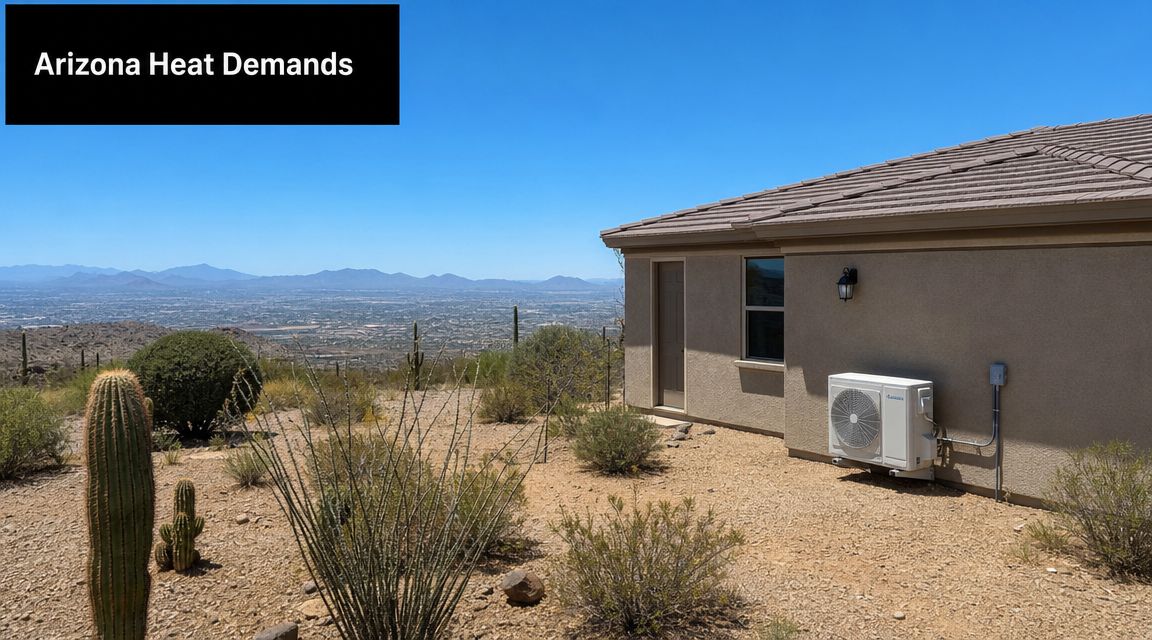
A lot of homeowners choose ductless because they want efficient comfort without adding ductwork. If you're still comparing options, this quick guide on what a ductless mini split system is gives the basic setup. Once it's installed, though, the main thing that protects performance is cleanliness.
Desert conditions change the stakes
In a cleaner, milder climate, you might get away with checking the system less often. In Arizona, that habit costs you. Dust sticks to the indoor filter first, then starts affecting airflow through the head. Outside, dirt and debris on the coil make it harder for the system to reject heat.
The most useful number homeowners should know is this: keeping the system clean can reduce energy use by 5% to 30%, according to Filterbuy's mini split maintenance guide. That's the part many people miss. Maintenance isn't only about avoiding a breakdown. It's also about not paying extra for a system that has to fight its own dirt.
Practical rule: In Arizona, a mini split that looks “mostly fine” can still be dirty enough to lose airflow and efficiency.
What usually goes wrong first
Most mini split problems I see don't start with a major failed part. They start with neglected basics. A filter gets packed with dust. The outdoor unit gets crowded by weeds, leaves, or wind-blown trash. The drain starts holding grime, then backs up during humid weather.
Here's the trade-off in plain terms:
| Condition | What happens |
|---|---|
| Regular upkeep | Better airflow, steadier cooling, fewer nuisance issues |
| Reactive upkeep | Longer run times, higher operating cost, more service calls during peak heat |
Mini splits are low-maintenance equipment. They are not no-maintenance equipment. In Arizona, that difference shows up fast.
Your Essential DIY Ductless Maintenance Checklist
A mini split in Globe can look clean and still be working too hard. I see that a lot after a stretch of dry wind or right after a monsoon pushes mud, weeds, and insects around the outdoor unit. Good DIY maintenance is simple. Keep air moving, keep water draining, and keep the outdoor coil clear enough to shed heat.
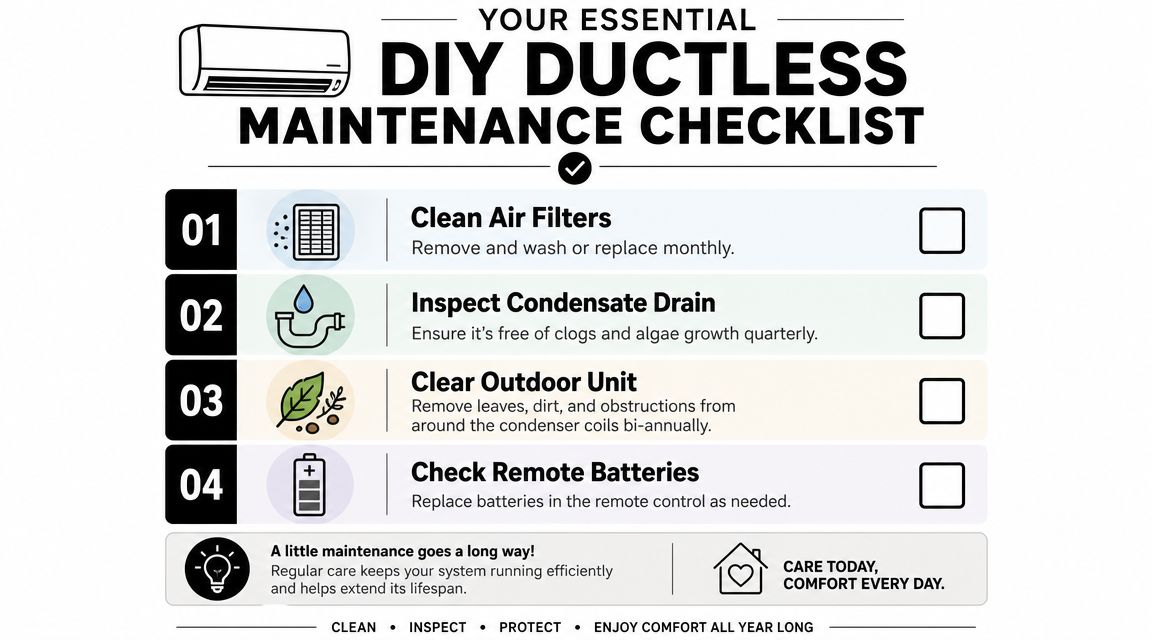
Start with the indoor filter because that is the easiest check and the one homeowners skip most often. If you want a broader refresher on filter habits across HVAC systems, this guide on how often to replace an HVAC filter gives useful context.
Start with the indoor filters
Manufacturers commonly tell homeowners to clean mini split filters on a regular schedule. In Arizona, the calendar is only part of the story. Dust load matters more. A home near a dirt road, open desert lot, mine traffic, or construction usually needs more frequent attention than a sealed home in a quieter area.
Check the filter first. Then decide whether it needs cleaning.
How to clean them safely
- Shut the system off. Use the remote and wait for the fan to stop.
- Lift the front cover carefully. Most wall units hinge upward.
- Remove the mesh filters without twisting them.
- Vacuum loose dust with a soft brush attachment.
- Rinse with plain water if dust is stuck on the mesh.
- Let the filter dry fully in the shade.
- Reinstall it correctly and close the panel completely.
Do not put a damp filter back in the unit. That can add odor problems and can leave dust stuck where you do not want it.
A quick field check helps. Hold the filter up to the light. In a lot of Globe and Miami homes, fine dust coats the mesh evenly, so the filter does not look terrible until you do that test.
If your house sits near heavy dust sources, check the filter based on conditions, not the date on your phone.
Check the indoor head for signs of buildup
With the filter out, use a flashlight and look into the indoor unit. The goal is not a full internal cleaning. The goal is to spot trouble early.
Look for these signs:
- Dust on the coil face
- Dark buildup on the blower area
- Water where the cabinet should be dry
- A musty smell when the unit starts
Homeowners must exercise some restraint. Spraying household cleaner into the unit or wiping only the easy-to-reach spots usually does not solve much. The coil and blower can hold grime deeper inside, and the wrong cleaner can damage plastic, insulation, or metal surfaces.
Pay attention to the condensate drain
Arizona is dry for much of the year, so drain problems can stay hidden until humidity rises and the system starts pulling more moisture indoors. Then the first clue is often a water spot on the wall or a drip from the head.
A simple routine check goes a long way:
- Look for stains below the indoor unit
- Check for water dripping indoors
- Inspect the outdoor drain termination if you can reach it safely
- Clear away mud, insects, or plant growth around the outlet
Monsoon season is hard on drain lines. Mud daubers, windblown debris, and algae can all slow drainage. If the unit leaks more than once, stop resetting it and hoping for the best. Repeated overflow can damage drywall, paint, trim, and flooring.
Here's a helpful visual walk-through before you handle the basics yourself:
Keep the outdoor unit clear and clean
The outdoor unit has one job during cooling season. It has to move heat out of your house and reject it into very hot Arizona air. Any layer of dust on the coil, or any blockage around the cabinet, makes that job harder.
Focus on safe homeowner tasks:
- Shut off power before cleaning near the unit
- Remove leaves, grass, trash, and tumbleweed debris from around the cabinet
- Maintain open space around the unit so air can move freely
- Rinse the exterior coil gently with a garden hose
- Avoid pressure washers and hard brushing
The trade-off here is simple. A light rinse and cleanup helps. Aggressive cleaning can bend fins and reduce airflow. I would rather see a homeowner do a careful basic cleaning than turn a service call into a coil repair.
A practical Arizona checklist
This is the version I would hand to a neighbor who wants to avoid nuisance problems and high summer electric bills.
| Task | What to do | Arizona note |
|---|---|---|
| Filter cleaning | Vacuum or rinse, then dry fully | Fine desert dust loads filters faster than they appear |
| Indoor head check | Look for dust, moisture, and odor | Early monsoon humidity can expose hidden buildup |
| Drain check | Watch for leaks and inspect the outlet | Mud, insects, and debris commonly block drain exits |
| Outdoor cleanup | Remove debris and rinse coil gently | Dust storms and yard debris shorten cleaning intervals |
What helps and what creates bigger problems
Good DIY habits
- Checking filters often during dusty stretches
- Looking for water stains before they turn into repairs
- Keeping the outdoor unit free of weeds, trash, and packed dirt
- Using gentle water pressure only
Mistakes that cost homeowners money
- Waiting until airflow feels weak
- Using coil cleaners or sprays without knowing they are safe for the unit
- Bending fins with high pressure water
- Assuming the system is clean because the front panel looks clean
DIY maintenance covers the visible basics. That is useful, and in Arizona it matters. It does not replace a proper internal cleaning and inspection when the unit has odor, repeated leaking, weak performance, or buildup deeper in the blower and coil.
A Practical Maintenance Schedule for Year-Round Comfort
A mini split in Globe can look fine in March and be packed with dust by May. Then monsoon season shows up, the drain line gets tested, and small maintenance misses turn into weak cooling, water spots, or musty odor.
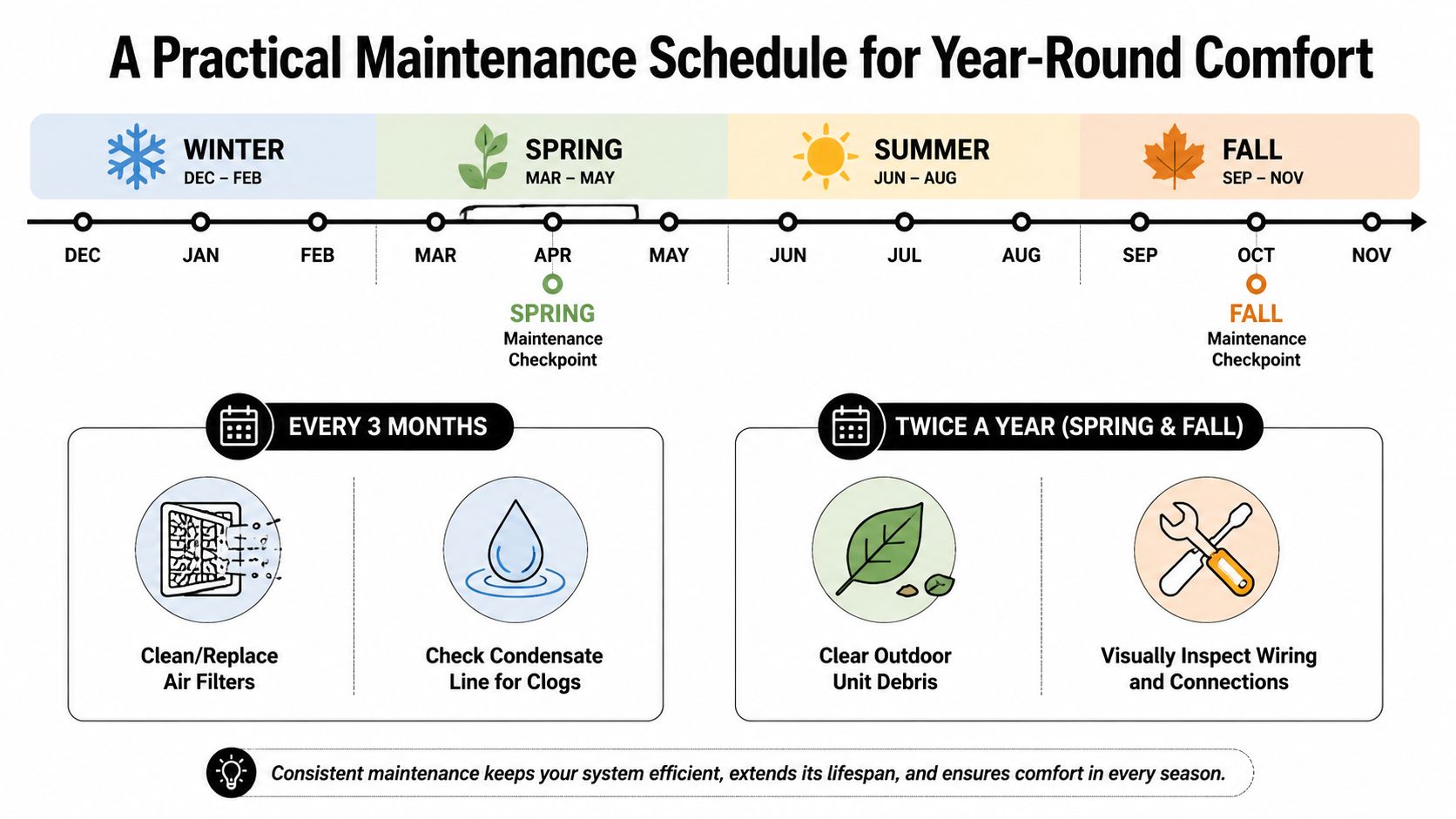
The best schedule is one you can stick with through heat, dust, and storm season. For Arizona homes, that usually means short monthly checks, a deeper look as seasons change, and professional service based on how hard the system runs. A guest room unit used a few weeks a year does not need the same attention as the mini split cooling a living room every day from spring into fall.
Monthly habits that catch problems early
Check the system once a month during heavy-use periods. In summer, I would rather see a homeowner spend five minutes on routine upkeep than wait for performance to drop.
- Inspect and clean the filter as needed. Desert dust builds up fast, even when the filter does not look terrible at first glance.
- Run the unit and pay attention to airflow. Reduced air movement, new noise, or a stale smell usually shows up before a bigger complaint.
- Look under and around the indoor head. A small drip mark or discoloration near the wall can be the first sign of a drainage problem.
- Glance at the outdoor unit. Remove leaves, weeds, plastic, and windblown debris before they restrict airflow through the coil.
Some homes need this more often. If your place sits near open dirt, traffic, or a wash, dust loading can speed up after windy weeks.
Quarterly checks that fit Arizona conditions
Every few months, do a more deliberate inspection. This is the point where you catch the issues that monthly filter checks will not show.
| Timing | DIY focus |
|---|---|
| Quarterly | Check condensate drainage, inspect the indoor head for buildup, and make sure the outdoor unit has open space around it |
| Spring | Clean up the outdoor section before extreme heat arrives and confirm the system starts cooling normally |
| During monsoon season | Watch closely for drain trouble, mud, insect activity, and moisture-related odor |
| Fall | Check overall condition again if the system will also be used for heating |
| Yearly or twice yearly | Schedule technician service based on runtime, dust exposure, and whether the unit handles both cooling and heating |
Arizona is hard on equipment in a different way than wetter climates. Fine dust coats filters and coils. Long cooling seasons add runtime. Monsoon moisture exposes drain problems that stayed hidden during dry weather. That is why a fixed calendar only gets you part of the way. The better approach is to follow a schedule, then tighten it up when your home and weather call for it.
A simple schedule homeowners actually follow
Use this rhythm if you want a practical plan.
- Every month: Check the filter, look at airflow, and scan for leaks or odor.
- Every three months: Inspect drainage and give the whole system a closer visual check.
- Before peak summer: Clean around the outdoor unit and make sure the system is ready for nonstop cooling.
- During monsoon season: Watch the drain line and indoor head more closely.
- At least once a year: Have a technician inspect and clean the parts you cannot properly reach.
If the mini split heats and cools the home year-round, twice-yearly service often makes better sense. In my experience, that is especially true for Arizona homeowners who run their systems hard and deal with regular dust storms. A steady schedule costs less than catching up after a season of restricted airflow, hidden buildup, and extra wear.
Troubleshooting Common Mini Split Problems Yourself
When a mini split acts up, start with the easy checks before assuming the worst. A surprising number of service calls come down to simple operating issues, especially after a power interruption, a dirty filter, or a remote setting change.
If the unit won't turn on
Start with power and controls before looking for a deeper failure.
- Check the remote batteries. Weak batteries can make the unit seem dead when the equipment itself is fine.
- Confirm the breaker is on. If it has tripped, don't keep resetting it repeatedly.
- Verify the mode. A unit set incorrectly may not respond the way you expect.
If the breaker trips again, stop there. That moves out of homeowner territory.
If it runs but doesn't cool well
Poor cooling usually means one of three things from the homeowner side: airflow restriction, wrong settings, or outdoor blockage.
Try this short process:
- Clean the filter if it's dirty.
- Make sure the system is in cooling mode.
- Lower the set temperature enough to call for cooling.
- Check the outdoor unit for debris or heavy dirt buildup.
If airflow is still weak after that, the issue may be deeper than a basic cleaning. At that point, continued operation can add wear without solving the problem.
If water is leaking indoors
Indoor water means the condensate isn't leaving the unit the way it should.
Look for:
- A clogged drain path
- Visible dirt around the drain outlet
- Excessive buildup inside the head
- A unit that has been neglected long enough for drainage to slow down
Shut the system off if water is actively dripping onto the wall or floor. Catching it early is a lot better than drying out drywall later.
A leak from a mini split usually starts as a drainage problem, not a mystery.
If you notice odors or unusual sounds
A musty smell often points to dirt and moisture buildup inside the indoor section. That's different from an electrical smell, a burnt smell, or a sharp chemical odor. Those stronger smells deserve immediate caution.
Use this rule of thumb:
| Symptom | First response |
|---|---|
| Musty odor | Clean the filter and inspect for visible buildup |
| Rattling | Check for loose panel fit or debris around the unit |
| Electrical or burnt smell | Shut it off and call for service |
| Grinding or loud mechanical noise | Stop running it until it's inspected |
The same applies to strange outdoor noises. A little operating sound is normal. Harsh grinding, clanking, or repeated loud surging is not.
If simple checks don't change anything
Homeowner troubleshooting should be quick and low-risk. If the system still won't cool, keeps leaking, smells electrical, or trips power, don't keep experimenting. Mini splits have boards, sensors, motors, refrigerant components, and electrical parts that need proper testing.
The goal of DIY troubleshooting isn't to become your own service technician. It's to rule out the easy stuff before a repair call.
When to Skip DIY and Call Cobre Valley Air
There's a clear line between basic upkeep and actual diagnosis. Filter cleaning, outdoor debris removal, and simple visual checks are good homeowner tasks. Refrigerant problems, electrical faults, repeated icing, and performance testing are not.

Signs the problem is beyond cleaning
Some symptoms tell you right away that this isn't a “wash the filter and see what happens” situation.
- Ice on the coil or refrigerant line: That can point to airflow trouble, refrigerant issues, or both.
- Breaker trips more than once: That raises an electrical safety concern.
- Grinding, clanking, or loud compressor noise: Mechanical components need professional inspection.
- The system runs but still doesn't cool after basic checks: Something deeper is affecting operation.
- Repeated indoor leaks: The drain may be blocked, damaged, or connected to a larger performance issue.
One thing homeowners often do that backfires is keep running a struggling mini split because it's still producing “some” cool air. That can push a manageable problem into a more expensive one.
What professional maintenance should include
A real tune-up goes beyond wiping down parts. DiversiTech's service process recommends running the system in max cool or heat, listening for abnormal compressor or blower noise, measuring discharge-air temperature, and recording operating values including compressor, blower, and CFM amperage, applied voltage, suction pressure, and superheat at full cooling, as outlined in DiversiTech's ductless mini split maintenance guide.
That matters because cleaning alone doesn't tell you whether the unit is operating correctly under load.
Here's the difference:
| Cleaning only | Diagnostic service |
|---|---|
| Removes surface dirt | Confirms actual operating condition |
| Helps airflow if dirt was the main issue | Can reveal electrical, refrigerant, or airflow faults |
| May improve symptoms | Provides measured data for decision-making |
Why instrumentation matters
If a mini split still struggles after basic cleaning, guessing wastes time. Measured operating data shows whether the problem is likely tied to airflow restriction, refrigerant leakage, or an electrical component starting to fail. That's the kind of issue you won't sort out with a spray bottle and a flashlight.
For homeowners who want a structured option for preventive care, Cobre Valley Air's AC maintenance program is one example of a service path that puts scheduled inspection and upkeep on the calendar. That's often the simplest way to keep a mini split from being forgotten until the hottest week of the year.
Good maintenance is not just cleaning what you can reach. It's verifying how the machine performs when it's actually running.
The Arizona angle that changes the call
In Globe, Miami, and Superior, hard summer demand shortens your patience for “wait and see.” If the unit is icing, tripping, leaking repeatedly, or falling behind in high heat, a prompt service call makes more sense than repeated DIY attempts.
The same logic applies to heat pumps and whole-home systems. Whether the house uses ductless heads, a split heat pump, or ducted equipment with airflow problems, the best results come from proper diagnostics and correct sizing, not from parts swapping. That's especially true in homes where duct design, insulation, room layout, and load all affect comfort.
Frequently Asked Questions About Mini Split Care
How often should I clean my mini split filter in Arizona
Check it often enough that dust never gets ahead of you. Carrier recommends cleaning mini-split filters every 4–6 weeks, and some industry guidance uses even shorter intervals in regular operation, especially where airflow is dust-sensitive. In Arizona, the smarter approach is to inspect based on conditions. If your home is near open desert, a dirt road, or seasonal dust activity, the filter may need attention sooner than a generic schedule.
Is professional maintenance really necessary if I clean it myself
Yes. Homeowner cleaning handles the visible basics. It doesn't replace inspection of electrical parts, refrigerant-related issues, drain function under load, and measured operating performance. DIY work helps. It just doesn't cover the same ground as a real service visit.
Can I use a pressure washer on the outdoor unit
No. That's one of the fastest ways to damage the coil fins. Once fins bend over, airflow drops, and the outdoor section has a harder time dumping heat. Use gentle water only, and keep the spray controlled.
Does the self-clean setting replace manual cleaning
No. A self-clean feature can help reduce moisture or residue inside the unit, but it doesn't remove the dust sitting on filters, clear debris from the outdoor section, or solve a drain blockage. It's a helpful feature, not a maintenance substitute.
Why does my mini split smell musty when it starts up
That usually points to dirt and moisture buildup inside the indoor unit. Start with the filter. If the smell stays, the blower or coil area may need a deeper cleaning than a homeowner can do effectively. If the smell is burnt or electrical instead of musty, shut the system off and call for service.
Is a ductless system easier to maintain than a ducted system
In some ways, yes. You don't have ductwork to inspect, seal, or clean. But the indoor heads need regular attention because they handle room air directly, and airflow drops quickly when filters load up. Ducted systems bring their own maintenance issues, especially when poor duct design or leakage affects comfort. The right choice depends on the home, the layout, and how each room is used.
What about maintenance cost
Pricing varies by company, system setup, and how much service the unit needs. The best way to think about it is as preventive spending. A routine visit is usually cheaper and less disruptive than dealing with a failure during peak summer demand, especially if the issue has already affected comfort or caused water damage.
If your mini split is overdue for service, leaking, icing up, or just not keeping up with an Arizona afternoon, Cobre Valley Air LLC handles ductless repairs, maintenance, installation, heat pumps, furnaces, and duct design for homeowners in Globe, Miami, Superior, and nearby communities.